
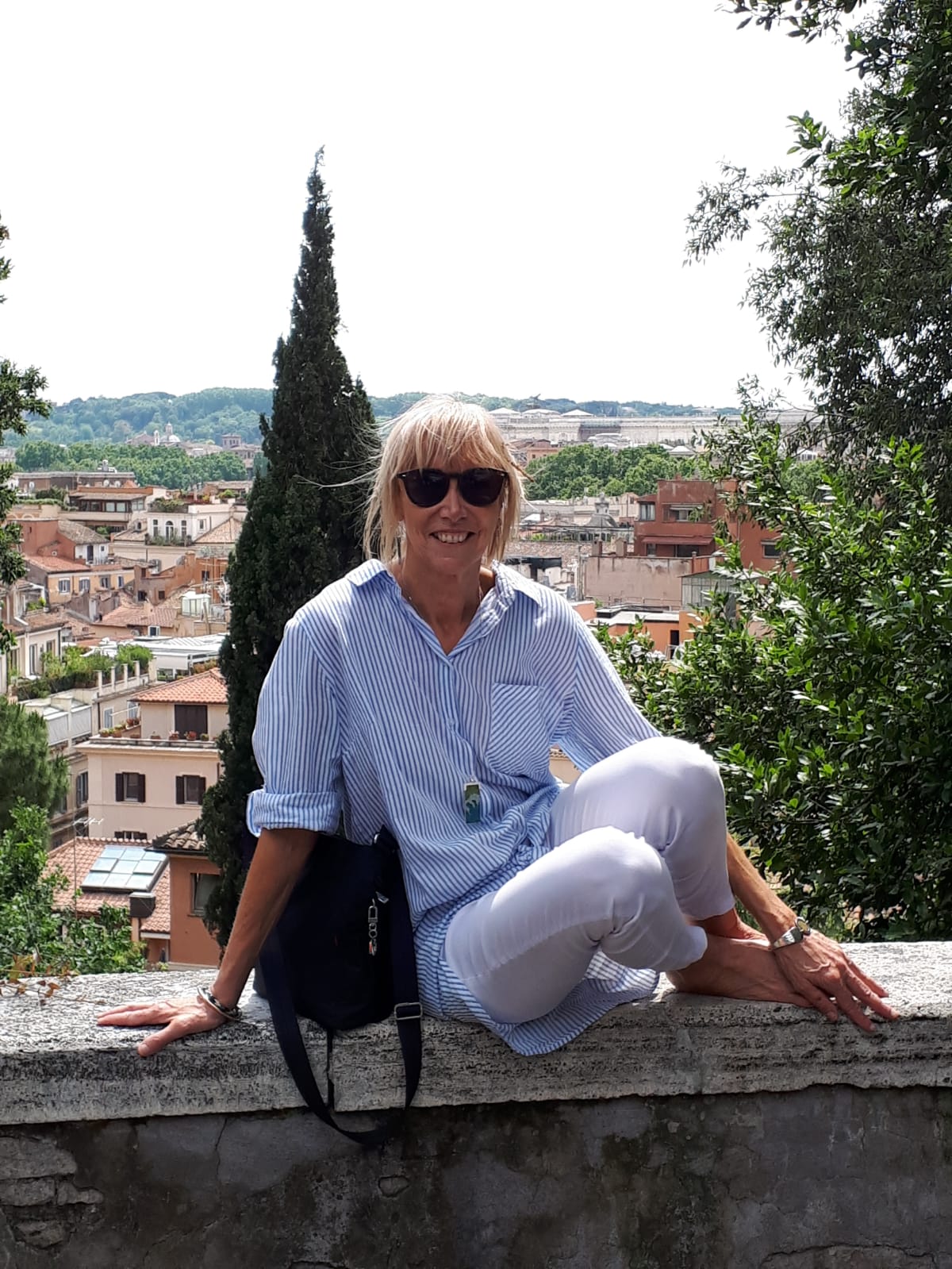
For Debra Hutton, a blank canvas is never truly empty. It is a vessel for a lifetime of sensory snapshots — the golden light of a Mediterranean afternoon, the retro palette of a 1960s kitchen, or the rhythmic beat of a classical concerto. Debra’s earliest memories, steeped in the kaleidoscopic tints of local flora, stem from her birth in 1961 in Toowoomba, the “Garden City”. Her upbringing was a blend of simplicity and creativity — she recalls riding her pushbike past manicured parks and helping her father, a watchmaker, wind the clocks in his jewellery store.
This regional foundation eventually gave way to a thirst for “exotica.” Inspired by cousins who were flight attendants in the glamorous 1960s, Debra joined Qantas, spending 14 years flying long-haul routes. These years forged her soul-deep connection to Italy. While other crew members rested, Debra would take five-hour bus trips just to have lunch in Positano, absorbing the sensory details — lemons, olive trees, and the vivid movement of Italian life — that would later define her work.
Debra’s path to full-time artistry was anything but linear. Her career is a testament to an entrepreneurial spirit and a “never give up” attitude — from working at Dreamworld during its opening, to managing fashion stores in Sydney, to her quirky 1990s marketing venture “Pink Flamingos” where she famously populated lawns with 50 life-sized flamingos for birthdays, even appearing on the Today Show.
Over a decade spent as a consultant at galleries like Nissarana and Studio One honed her eye for what resonates with collectors. It was under the mentorship of acclaimed artist Colin Passmore that her “procrastination born of anxiety” finally transformed into disciplined practice. Passmore’s advice was simple: “Paint a thousand paintings.”
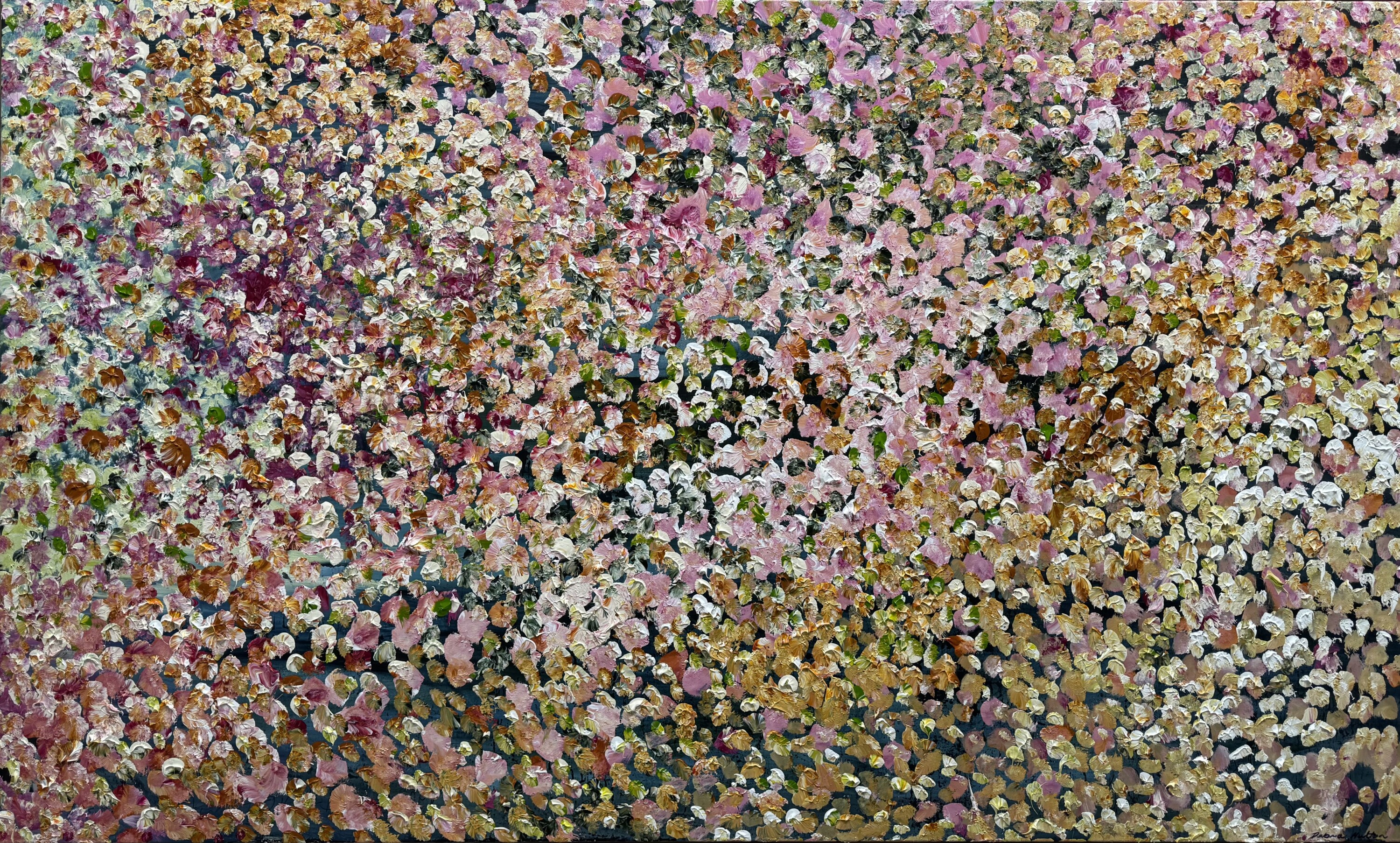
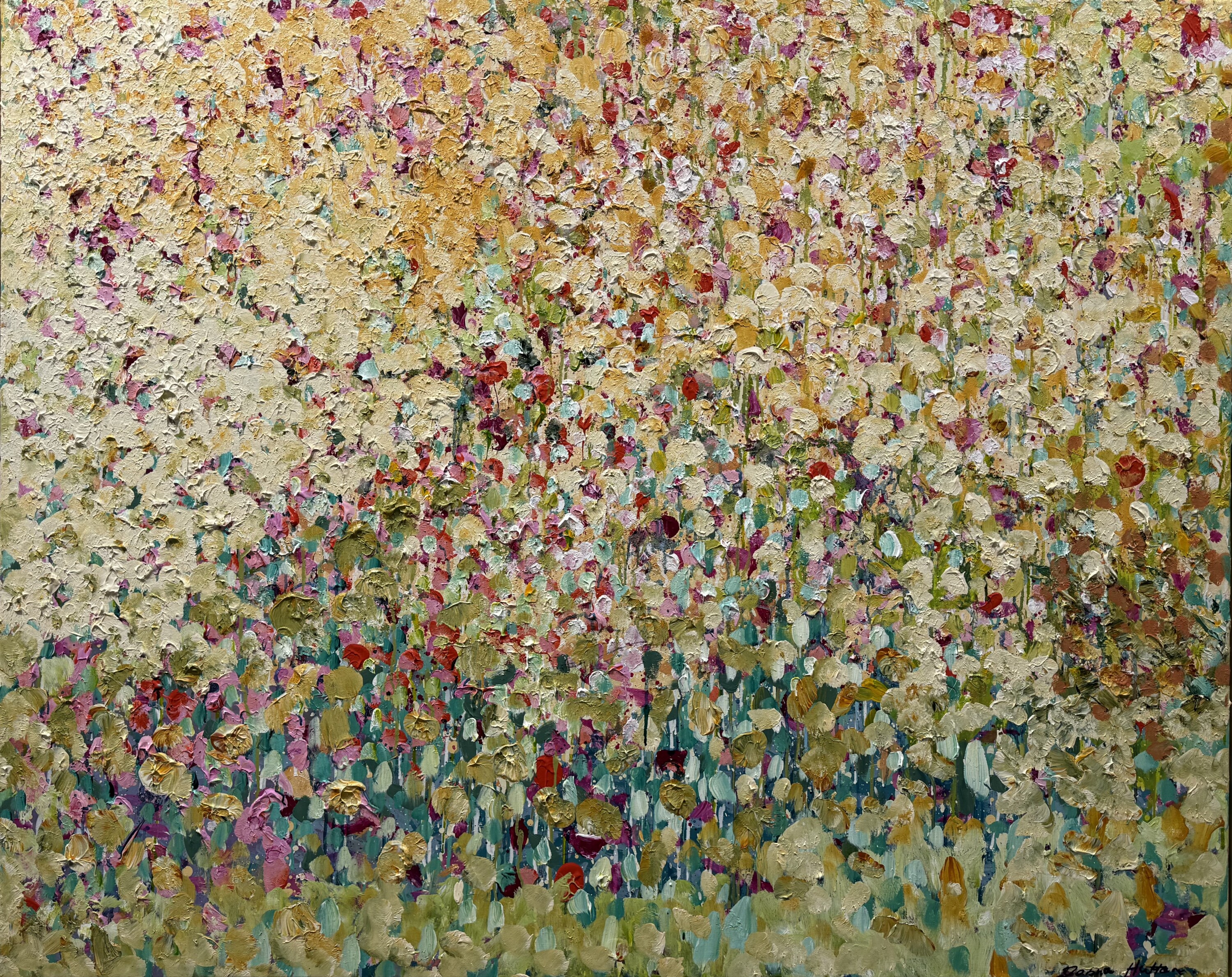
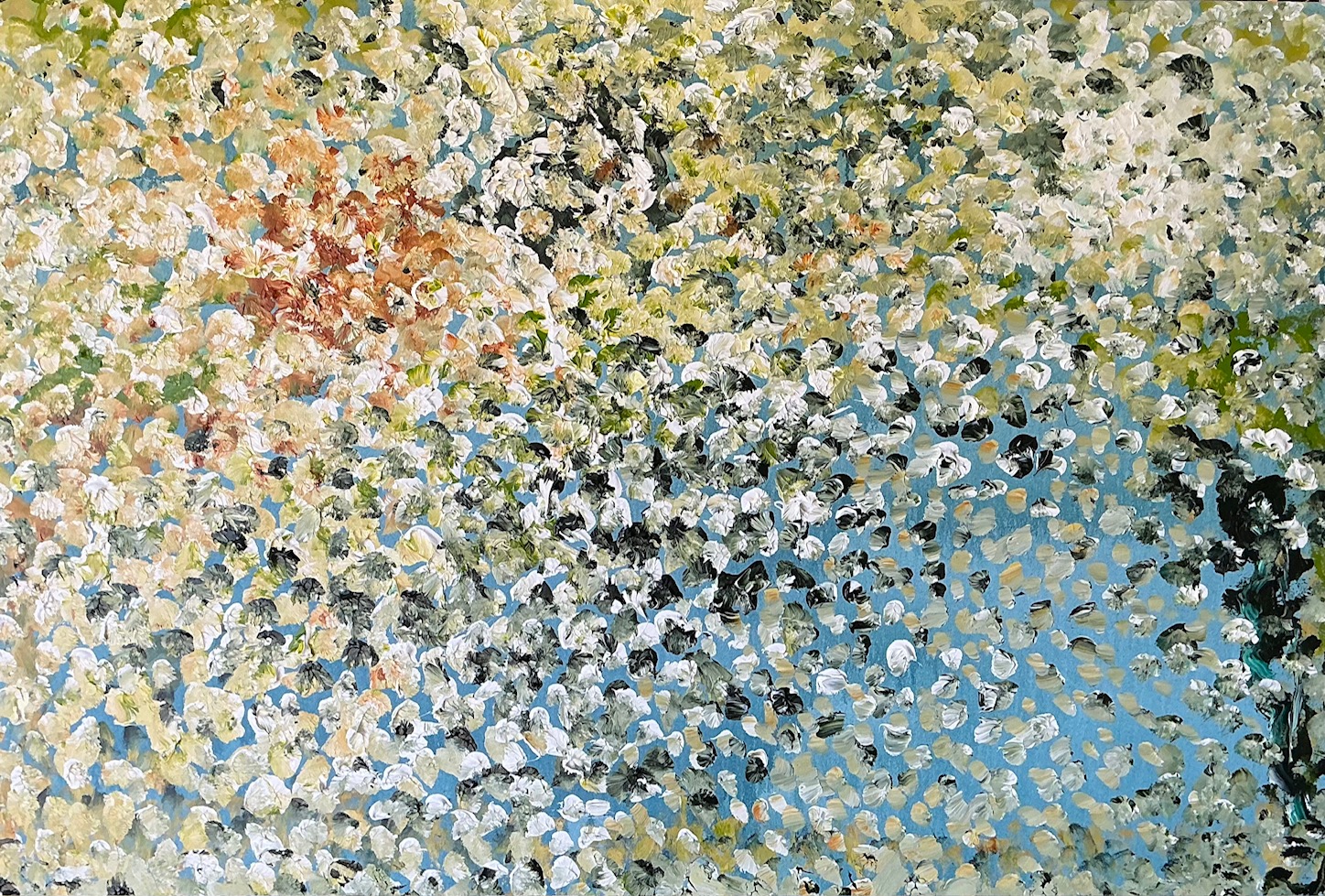
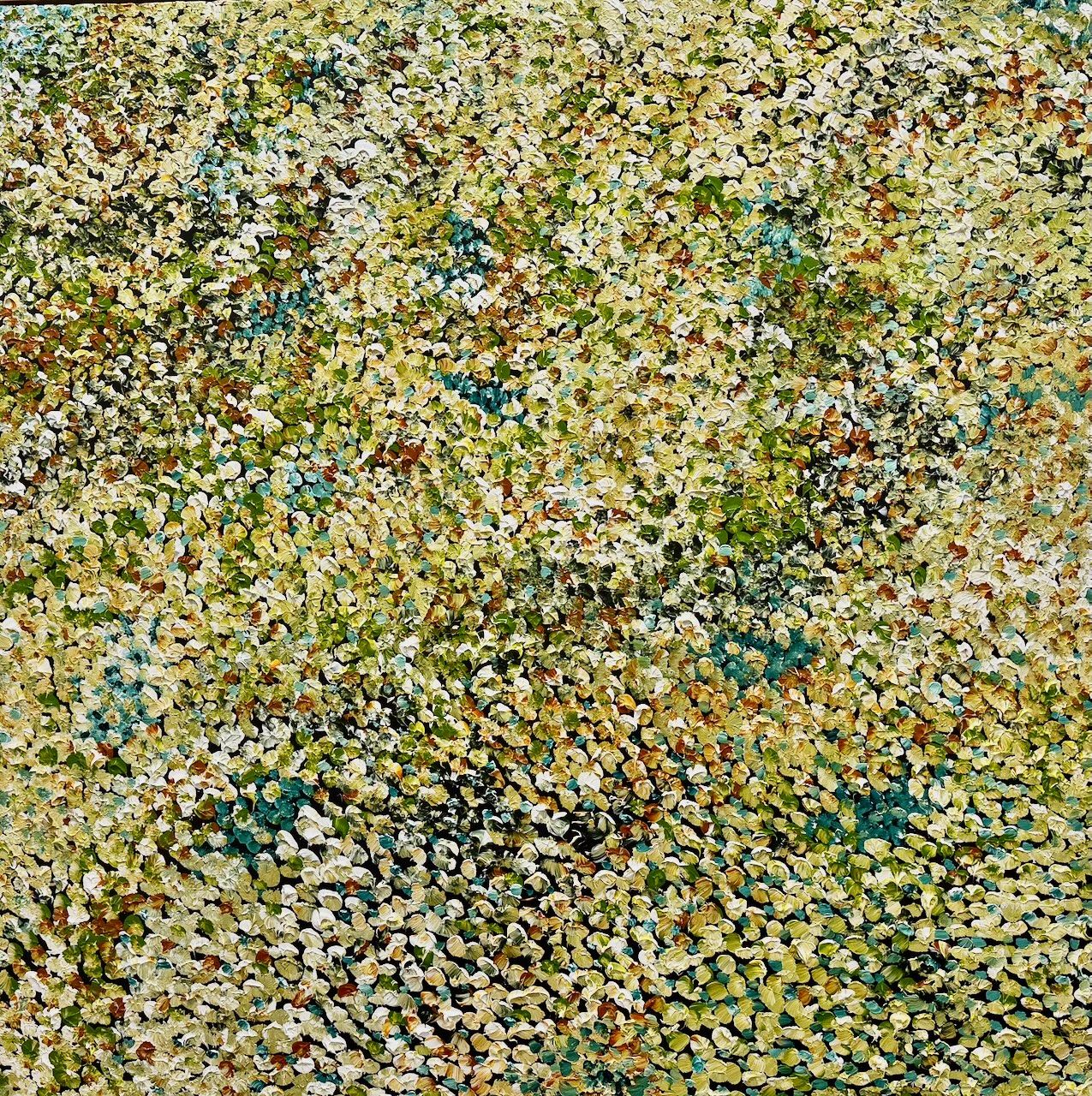
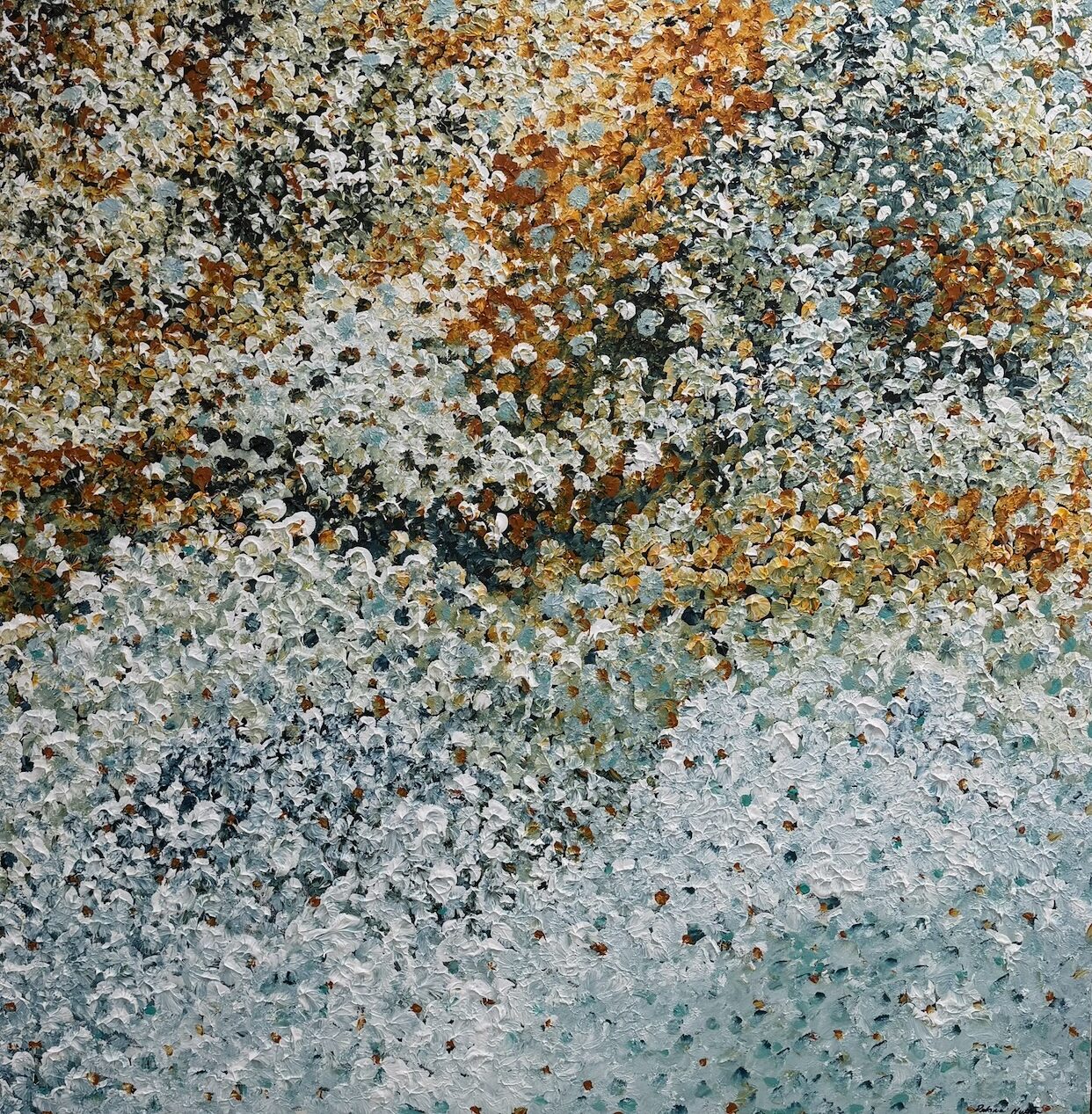
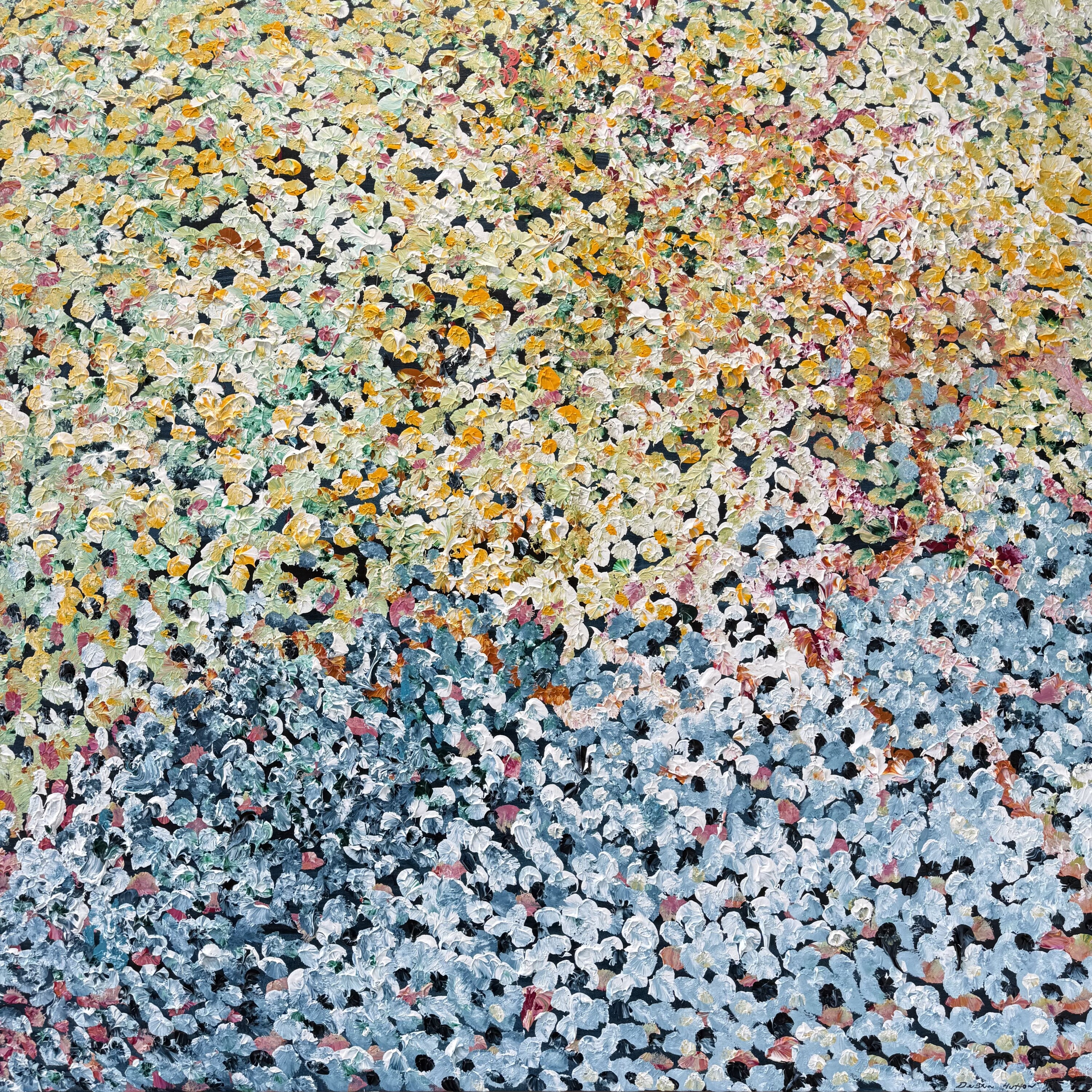
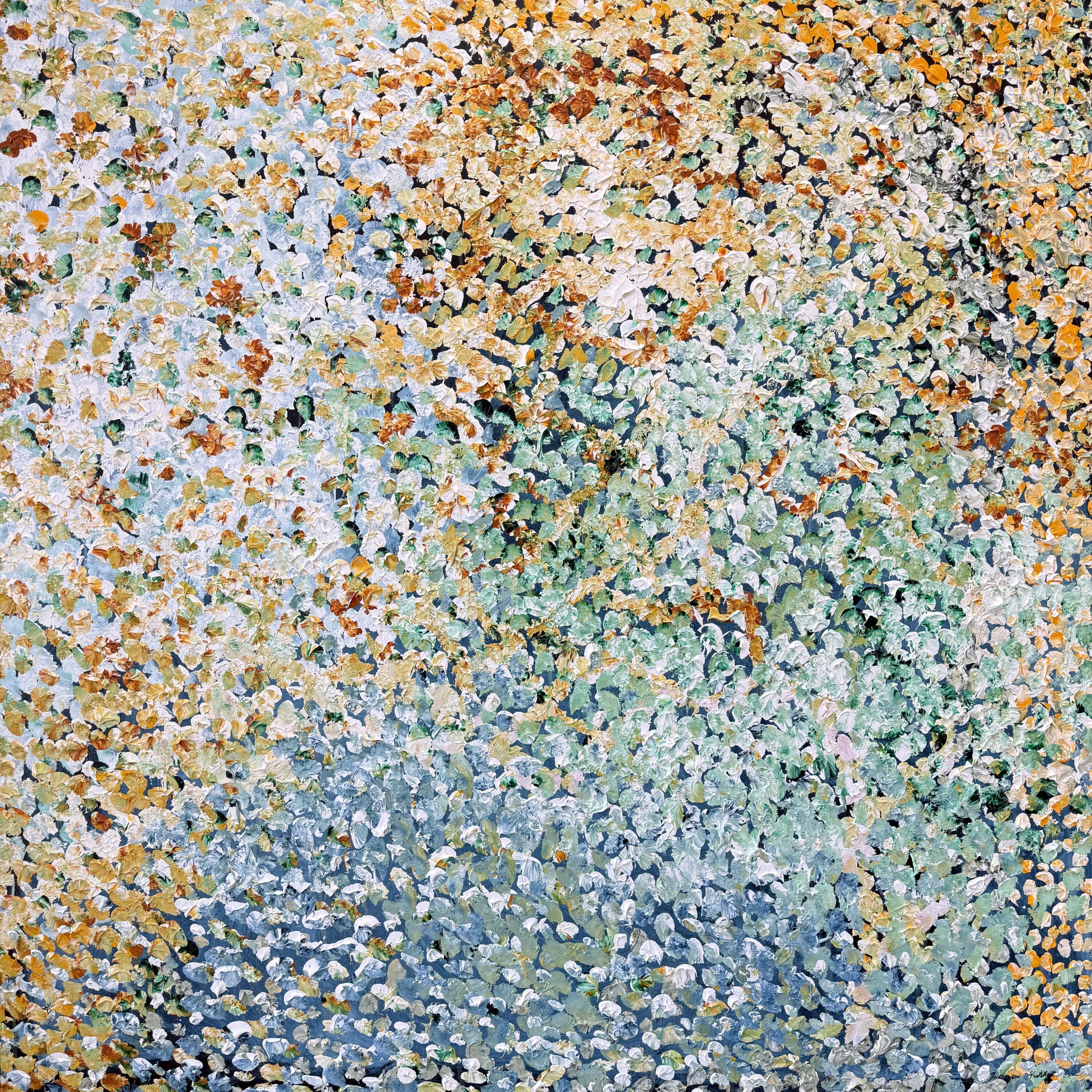
Today, Debra is celebrated as a “colorist” whose work dances between Impressionism and Abstraction. Her process is deeply emotive — she paints to the rhythm of music, allowing the brush to follow the melody until the “destination” reveals itself on the canvas.
Her recent collections, such as the nostalgic “Retro” series, move away from expansive landscapes to explore intimate family memories — the upholstered bar stools and glittered lamps of her mother’s 1960s kitchen and the visceral hum of old cinema reels.